月月上学报名
2011/05/14 – 3:56 下午
困难时期拿凳子排队买猪肉的事情在我们家上演。广州小学幼儿园招生今日开始,连续三天。《漏夜排队抢学位》成为广州日报今日导读标题,也成为千万家庭的真实写照。
有一些事,必须是,也只能是,家人一起想和一起做。“走了一步,继续向前。”外公总结。
困难时期拿凳子排队买猪肉的事情在我们家上演。广州小学幼儿园招生今日开始,连续三天。《漏夜排队抢学位》成为广州日报今日导读标题,也成为千万家庭的真实写照。
有一些事,必须是,也只能是,家人一起想和一起做。“走了一步,继续向前。”外公总结。
《自然》杂志刊登2003-2010中国创新药数据。原文可在此或《自然》杂志网站下载。Innovative drug R&D in China
特别感谢小石头的翻译。
从2003-2010年这8年间,申请临床的原创新药数一共有25个,其中平均每4个获得临床批件的药物中有1个能获得上市批准(见图1)。然而,从2006年之后,获得生产批件的原创新药的数量明显下降,与2005年的11个相比,2006的获批数量仅为2个,而且这种趋势一直延续到了2010年。其主要原因是SFDA对新药注册的审评制定了更严格的管理办法。
中国创新药物研发概况
IMS于2010年发布的全球医药市场预测报告指出,超过13亿的消费群体、经济的飞速发展、公共和个人医疗基金的扩大、政府对医疗领域投入的增大等等因素的推动使得我国医药市场预期在2011年将有望增长25%-27%,总量超过500亿美元,成为世界第三大医药市场。但是与美国、欧盟、日本这全球三大医药市场不同,我国医药市场主要以仿制药或进口药为主,随着市场优势的日益突出,越来越多的夸国公司在中国建立了研发中心,中国本土的制药企业对原创药物研发的关注也在不断的增加。与此同时,我国政府在2008年-2010年之间对新特药的研发投入达到了27亿美元,在未来5年内还将增加60亿美元。
目前,关于国内原创药物研发信息的资料很有限,鉴于这种情况本文的作者收集了2003年-2010年间在SFDA和新药审评中心(CED)提出新药上市申请(NDAs)和新药临床申请(INDs)的所有原创新药的信息,并对收集到的信息进行了整理分析。
本文中提到的原创新药,为SFD关于化学药品注册分类中的1.1类,1.2类以及生物制品注册要求的1类药,SFDA对于原创新药的定义范围较之美国FDA关于新化学实体(NCEs)的定义要窄,在我国1类新药为未在国内外上市销售的药品。如果药物首先在FDA或欧洲药品局获得了批准,那么根据SFDA的药品注册管理办法则不能按1类新药进行申报。跨国制药集团通常会优先选择发达国家作为药品的第一上市国家。在我们的研究中,SFDA受理的所有的1类新药均为国内本土企业注册申报的品种。此外,本研究不涉及中药和疫苗产品的统计。
分析
从2003-2010年这8年间,申请临床的原创新药数一共有25个,其中平均每4个获得临床批件的药物中有1个能获得上市批准(见图1)。然而,从2006年之后,获得生产批件的原创新药的数量明显下降,与2005年的11个相比,2006的获批数量仅为2个,而且这种趋势一直延续到了2010年。其主要原因是SFDA对新药注册的审评制定了更严格的管理办法。
2003-2010年间国内制药公司获得临床批件以及生产批件的原创新药的数量。数据来源于SFDA和新药评审中心。
目前处于临床研究的原创新药一共有187个,其中三分之二的药物处于I期临床研究中,处于II期临床研究和III期临床研究的药物分别占19%和22%(见图2.)。如图2所示,肿瘤药物在药物治疗类别分析占首位,占比为32%,接下来为抗感染药物(17%)、心血管药物(10%)。
图2 国内原创新药的分布特征。a 处于各期临床的药品数目。 b药物适应证分布分析。c药物在中国、美国以及欧盟地区申报专利的情况。数据来源SFDA、CDE、中国知识产权局、美国专利商标局、欧洲专利局网站以及原研公司发布的新闻。信息收集期为2010年。
随着对研发药物专利保护意识的增强以及中国专利保护法的实施,本文对这些原研药物的专利情况也进行分析。制药企业通常将专利分为两类,一为化合物专利,二为制剂专利包括制备、检测、成分以及用途。在这187个处于临床研究的原创新药中,70个药物在中国拥有化合物专利保护,与之相比获得美国专利的数目为23个,获得欧洲专利的为16个。表1中列出了同时拥有美国专利以及欧洲专利的原创在研产品。
表1处于临床研究中,拥有美国专利与欧洲专利的原创产品
| 化合物 | 研发企业 | 适应症 | 专利 | 进度 |
| 埃他卡林 | 恩华药业 | 心血管 | 欧 | III |
| 爱地那非 | 万年春生物 | 泌尿生殖 | 美 | III |
| 赛米司酮 | 仙琚制药 | 泌尿生殖 | 美/欧 | III |
| 舒欣啶 | 中科院上海药物所 | 心血管 | 美/欧 | II |
| 天花粉蛋白 | 翔天牧生物 | 感染 | 美 |
II |
| 西夫韦肽 | 扶素生物 | 感染 | 美/欧 |
II |
| 西格列羧 | 微芯生物 | 内分泌代谢 | 美 |
II |
| 酪丝缬肽 | 一泰医药 | 癌症 | 美 |
II |
| 川丁特罗 | 九泰药业 | 呼吸 | 美/欧 |
II |
| 埃克替尼 | 贝达药业 | 癌症 | 美 | III |
| 复合干扰素 | 辉阳生命 | 癌症 | 美/欧 | III |
| 西达本胺 | 微芯生物 | 癌症 | 美 | II |
| 布格呋喃 | 中科院药物所 | 中枢神经 | 美 | I |
| 乙烷硒啉 | 奇正藏药 | 癌症 | 美 | I |
| 奈诺沙星 | 华裕制药 | 感染 | 美/欧 | I |
| 艾博卫泰 | 前沿生物 | 感染 | 美 | I |
| 噻吩诺啡 | 军事医科院毒物药物所 | 中枢神经 | 美/欧 | I |
| 雷公藤内酯醇 | 中科院上海药物所 | 肌肉骨骼 | 美 | I |
| 抗肿瘤抗病毒蛋白 | 杰华生物 | 癌症 | 美 | I |
| PEG精氨酸酶 | 拜奥生物 | 癌症 | 欧 | I |
| yPEG粒细胞刺激因子 | 特宝生物 | 癌症 | 欧 | I |
| yPEG生长激素 | 特宝生物 | 内分泌代谢 | 欧 | I |
| 西茜铂 | 神威药业 | 癌症 | 美/欧 | I |
| yPEG干扰素 | 特宝生物 | 感染 | 欧 | I |
GCSF 粒细胞集落刺激因子;GH 生长激素;IPT 药理毒理研究所;PEG聚乙二醇;rh 人重组蛋白;rSIFN重组超复合干扰素;SIMM上海药物研究所;SIPI上海医药工业研究院。
展望
中国政府、跨国公司新药研发的投入不断的增加,加之其他条件的不断改善,将为国内创新药物的研发提供一个更强有力的环境。首先,过去20年来中国药品的监管机构经历系统性的转化已更适应于更多INDs的产生。中国的第一部药品管理办法于1985年颁布,随后出现了四次重要的修订,最新的药品管理办法于2007年颁布。SFDA 与2003年成立后推出了更健全的新药注册和审批规定,提高了药品审批的透明度和有效性,为更多创新药物的出现奠定了良好的基础。包括对INDs或NDA的注册状态进行公开等。此外就申报者而言,涉及到审批过程中的所有信息SFDA也提供了简易的查询方法。国家药监局授权地方药药监局对新药的申报实施初步申报以便提高审批的效率。如果发现制药公司提供虚假的申报资料和样本,SFDA将在3年之内不再受理该公司的申报产品。
专利保护是影响创新药物发展的第二大因素。中国首部专利法于1984年颁布,但是直1992年修订的专利法中也未将药物组分纳入专利保护范围。目前,专利系统将为创新药物提供更多的保护。2007年北京市高级法院知识产权审判庭对辉瑞西地那非(伟哥)的最终判决就是一个很好例子,这一判拒绝了国内12家公司对辉瑞的专利挑战将西地那非的专利保护延长至2014年。在终审判决的次日,辉瑞中国公司发表评论称,“对该判决表示欢迎”,认为判决“体现了中国保护有效专利的承诺,提高了那些有意在华投资的商业机构的信心。辉瑞将继续竭尽全力在中国保护自己的知识产权”。有意思的是,该专利之战的重点是对用途专利的保护,而非通常争议的化合物专利。
第三,为了改善投资环境,中国纳斯达克板(创业板)于2009年上市,主要针对创新企业以及中小成长企业,为它们提供腾飞的资金支持,也将为创新药物的研发引入更多的风险资本。
第四,2009年新的医改计划将启动6个重大的公共医疗服务项目,同时为创新药物也在未来几年内也创造新的需求空间。
最后,就研发人才而言,制药人员和生物技术人员的回国热潮,也因全球经济的低迷成主流。
虽然,原创新药的研发在中国还处于早期发展阶段,但是过去10年里的发展速度是相当惊人的。而且中国政府加大了原创新药的支持与投入,将继续完善影响原研新药的关键因素比如管理体系、专利保护、基础研究、研发投入、人才与市场激励制度,这些都是为创造一流的原创药物研发环境而服务。
我一直喜欢读那些有大量引语的新闻报道,这证明记者强大的采访能力及职业操守——不偷懒。
40多岁、职位为总监Joshua Berlin用了两三段的延迟性导语,来强调他在上海一个研发会议上的感受——一种更有效率的研发新模式正努力被创建中国现代制药行业的一群海龟们所实践。
在《中国是大型药企的“黑天鹅”?》中,提出“中国现代制药业”由数代海龟开创,这是我十分认同的一个提法。单飞后的陈力第一次与第一代海龟赵戬见面就彼此表白了报效祖国的爱国之心。
这是一个跳出会议的写法。杨青和陈力是Joshua Berlin笔下的主角,令乏味的会议报道变成珍宝。
面对一个长达3、4天,日程表有如世界地图的大型会议,记者最起码的事是:
1.提前得到会议日程。
2.拟出报道主题。
3.拟出采访中要提的问题。
4.在会议上寻找不同寻常的事情。
5.思考哪些人会受此决定或政策的影响。
文章穿插许多被访对象的职业背景,这在国内媒体里不多见。事实上这样的做法在我看来有一大好处,那就是缓解读者的阅读紧张度。
文中没有严格定义旧有研发模式,也未对新模式予以更多肯定。而是以一个轻松的结尾留给读者更多思考,无论何种模式,在实践的过程中,One thing’s for sure, it won’t be boring。
出人意料又合乎情理。
还没有女朋友的DJ节后上班告诉我,五一节哪儿都没去,只是一人到上海市内的公园附近拍了一些花。
真有情调,我随口答。
“那是无聊啊。”DJ说。
为了宽慰他,忙说比他更无聊的是我。
长假宅家三日,而且是三人同宅,对足72小时,连门都没出的那种百般聊赖。无聊到最后,三人总结共煮了多少餐饭,煲汤几顿。竟想不起来。
买了一帐篷,昨日送来,浅绿色。月月尖叫不止。
想远行,又觉不但花钱还要饱受舟车劳顿,家有一小露台,外面养了些许花草,夜晚挂灯在自家露营,也许跟旅游差不多。
电影《绿卡》里,大鼻子法国情圣和迷死人的安迪·麦克道威尔二人在家布景拍照假装环球旅行,模仿他二人倒也实在。
今年工作调整,少写采访报道文章,倒是读了许多国外资讯。
今日读小石头翻译的稿子,讲美国药物滥用成风,奥巴马政府宣布行动计划,“阿片类REMS计划”在以州为单位的处方药监控体系的支持下,建立一个全国性减少处方药滥用的监管组织。
等等,我想说的不是这些。
为支持这项计划,白宫国家药品管理政策的主任Gil Kerlikowske、健康与人类服务部的助理秘书Howard Koh 医学博士、美国FDA局长Margaret A. Hamburg 医学博士以及美国司法部药品管理局(DEA)局长Michele M. Leonhart就这份标题为《流行》的“奥巴马政府全面行动计划”联合发表了声明。
而就在搜索健康与人类服务部的助理秘书Howard Koh的过程中,发现了一个美国摄影记者Jay Premack的博客,他曾经以“Power Brothers”为主题为Howard Koh在白宫拍摄了一组照片。并记录了采访心得。
于是,这个叫Jay Premack的人的网站被我收录下来了。他拍摄了大量人物、婚庆和许多许多许多小bb,比如这张:
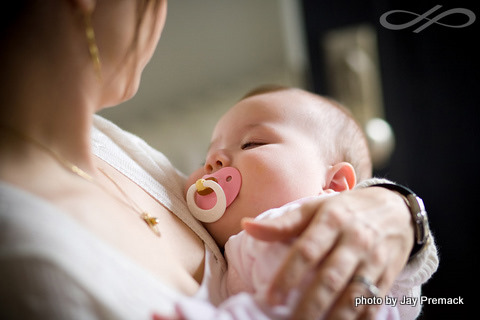
照片中透露温情,典型的新闻摄影风格。
最优秀的摄影师大多在媒体工作。此话当真。
不具有专业背景的我,这些日子断断续续很艰难地读完了《美国药品监管法规核心理念概述——药品注册批准前检查》的前三章,居然觉得有点意思。
以下是在阅读第一章用铅笔划下的语句,有些是为防止瞌睡划下的,有一些是精神振奋时划下的,有些词汇从未接触,有些如此熟悉。
1.在审批过程中增加了一个新的步骤——达标审查。
2.Compliance 在国外制药行业常指符合法规要求,反义词为违规。“达标”的提法在1998年前首先出现于我国GMP检察的官方文件中。
3.当产品研发结束时,研发历史报告、通用技术文件(CTD)/NDA以及从产品研发转为生产的技术转移文件。
4.确保临床试验、生物利用度研究以及安全性研究所用物质的生产工艺与注册申报工艺之间存在相关性。
5.目标是促进减少FDA所要求的药品注册批准前监查的数据,以使FDA能将资源更有效地应用于批准后监查或cGMP检查。
6.如果企业能够证明对生产工艺有透彻的理解,那么FDA将给予他们灵活性。这个协议将为新药申请的化学、生产和控制(CMC)部分指定一个管理办法,意在为注册申报的灵活性提供一个框架。
7.。。。。哪些内容是信息性的(即阐述产品和工艺的研发历史),哪些是注册申请中将来应遵守的承诺。
8.。。。促进ICH Q8药品研发和ICH Q9质量风险管理的有效实施。
9.在批准后做各种变更时,此系统(process analytical technology,PAT)也为监管/注册审评提供了灵活性。
10.在通用技术文件药品研发章节中,有对工艺深入了解的论证。
11.通过对产品与工艺知识的阐述,证明质量已经建立在系统之中,从而给FDA以某种信心。
12.在Janet Woodcock博士撰写的FDA白皮书中,她认为目前药品的研发过程已无法跟上基础科学创新的步伐。。。研发人员仍用20世纪的研发手段来评估21世纪的发明。
13.一同寻找和解决。。。这项工作包括两方面:一是识别出最重要的工艺方面的问题,并且排列出优先次序;二是鉴别出能够获得最大重大改进的领域。。。一旦将这些领域鉴别出来,FDA将和研发单位一起,确定并解决关键的研发问题。
14.2006年初,FDA推出了一项重大举措,就是放宽了I期临床试验药品生产的cGMP要求。。。目的是在保证研发早期阶段药品的安全性和有效性的同时,简化并促进药品研发过程。
15.企业原先每年为符合联邦法规CFR 210和211而收集产生的数据需848625个工时,法规变更后,将会缩减至50000个工时。
16.这些要求对于I期临床的早期研究来说实在是太繁重了,以至很多顶级的医药研究机构无法在他们的实验室中进行这些发明性研究。
17.“企业、社会和FDA的共同目标是使药品生产部门达到一个最高效、最灵活、最富有弹性的理想状态,从而在没有大量法规监管的条件下也能可靠地生产出高质量的药品。”
18.质量源于设计的目标是确保企业对于他们的药品生产工艺有更深刻的以知识为基础的理解。(理解一词画圈)
19.要求企业在产品研发阶段根据所掌握的知识,形成对关键工艺、产品属性、设计控制、检测方法的科学见解。(科学见解一词画圈,就是FDA要求。。。具有科学见解)
20.设计空间关注的是一个生产工艺中某一个关键步骤的温度控制,而不是此温控设备的类型。
21.企业确立特定药品设计空间的能力(能力一词画圈),能证明他们对产品和工艺的知识水平。
22.质量综述并不降低药品研发所要求的研究数量,它只是减少了审评员在审核时必须研究资料信息的数量和种类。
23.质量综述将有助于快速解决潜在问题或争论的早期鉴定,以便获得第一轮的注册批准。。。质量综述将最终促进企业和监管者之间的信心和信任。
24.很多公司都处于极度紧张忙乱的状态,以临时抱佛脚的状态准备FDA的注册批准前监查。令人欣慰的是,如今那种短期的疯狂已被长期的努力准备所取代。
19位作者分别来自药厂、CRO,无一来自FDA。为什么制药工业界对FDA每一次具体细小的规则都那么当真?
组织本书翻译的郑强告诉我:
这点恐怕是美国与中国的主要差别。FDA关注的是制定和解释法规,以及对企业合规的检查和评判。批准前检查是专有名词,目的是FDA要到现场核实企业申报的工艺确实可以在满足GMP的条件下实施。这个检查的科学成分是很重的。
FDA历来承认企业比他们对工艺更了解,对工艺实施中的质量控制(GMP)更熟悉。所以,FDA检查时关注的重点是听企业讲述它的工艺实施和GMP保障是如何做的,其科学合理性如何。
我们的企业通常科研能力不够,对工艺和GMP的科学理解弱,注重点是应对GMP检查,而不是搞清工艺实施与GMP保障之间的关系。所以,国内更关注SFDA或地方药监局是怎么说,尤其是在职的人怎么说。
对于一个好的企业,抓质量是它本身的事,因为质量是竞争力和生产力,是有内在动力的。
——非常给力的解释。
我感觉FDA期望的演变过程中,处处放置弹簧,扩张法规的灵活性以及强调企业的自理能力,这是信任和信心的来源。
于我而言唯一的启发是对月月的教育,要放弹簧。
小成成和我对吴宇森炒蛋不敢恭维。
《李纯恩大食游》一行来到北京,拜访在京工作的大导演吴宇森,吴当即在摄制组人员面前露两手,来了一个蛋炒豆角和蒸鲈鱼。
周日翡翠台播出的《李纯恩大食游》是最近两个固定收看的节目,另一个是每周三晚播出的《Cheese Slice》。
10年后在银屏上见香港著名记者和专栏作家李纯恩,发觉跟当年《锵锵三人行》一样,容颜未改,依旧皮光肉滑,一缕银色刘海遮住额头。
“豆角多了,切得太大,所以吴不得不用水煮,再用蛋炒,原本应是鸡蛋外包豆角,变成了豆角缝里粘鸡蛋。”我说。
进而总结,炒菜主次一定要分清,豆角不超过5根,切成薄片,用油爆。鸡蛋3个,温火炒,包围豆角。
“鲈鱼用鱼露,且把酱汁一起与鱼蒸煮,会不会带出更多腥味?”小成成说。
进而总结,蒸鱼定要抹干血水,蒸时只需放姜两片,时间刚好后,倒清水气,再大肆配置酱料薄薄浇淋一层即可。
再说Cheese,喜欢《李纯恩大食游》跟他轻松博学的主持风格有关,《Cheese slices》也如是。一中年老外为了一片小cheese,游历欧洲,“脑海里浮现阿尔卑斯山蹦跳的羊群”,如此诗意形容奶酪入口之感。
很多年前,为应对一次英语考试,搜集了大量资料,当时想如果考官问“What’s your favorite food?”,我该如何作答?
今找回当年拼凑的答案,鱼蛋(fish ball)依然是最爱。
I adore fish balls very much. I often bought fish balls in 7-11 and C-Store. Actually, this used to be an afternoon snack for me back home. I think fish balls are part of Guangdong cuisine culture like Dim Sum. The most popular one being spicy curry fish ball sold by street snack vendors in Beijing Road.
It’s funny to see groups of people holding a stick of spicy fish balls on one hand, sweating and gasping for air from the heat of the curry sauce, and trying not get the dripping sauce on their shoes.
For most Asian countries, fish balls are very common ingredient that can be found in everyday cooking. In Guangdong, fish balls are mostly used as toppings to noodle-based or soup-based dishes. Fish balls are very versatile and I often keep a packet of two of frozen fish balls in my fridge. I love cooking fish balls dishes.
In order to consolidate and deepen the internal institutional reform being implemented, the State Food and Drug Administration (SFDA) Center for Drug Evaluation (hereinafter referred to as “CDE”) has recently reviewed, approved and promulgated a corresponding supporting document of the Principles and Procedures for Drug Technical Review (hereinafter referred to as “Principles and Procedures”), and has posted it on the website.
According to the introduction made by Feng Yi, Director of Business Administration Department of CDE, based on the task categorization and risk level for review and approval, the Principles and Procedures has, ,centering upon the principle of scientificity, legality, ethics, openness, impartiality and equity for technology review and approval, specified corresponding decision-making procedures for the review and approval of Investigational New Drug (IND) Application, New Drug Application (NDA), Abbreviated New Drug Application (ANDA), etc., and invited the community to supervise over the operation of CDE in accordance with the Principles and Procedures.
Simplify and Adjust the Original Procedures
The internal institutional reform which began in January this year significantly adjusted the main duties and internal organizational structure of CDE. As a result, the reform intensified the communications and exchanges between the review professionals in the same subject and same profession, and at the same time consciously made a scientific classification of reviews on generic drugs and innovative drugs.
Compared to existing 3,000 persons in the Center for Drug Evaluation and Research (CDER) affiliated to U.S. FDA, CDE only has 120 persons. Over the years, SFDA has been looking for a scientific review path to reasonably allocate the resources based on the grades of drug related risks, in order to resolve the great pressure on the time limit of review.
Being oriented to the value of clinical therapy, U.S. FDA established review structure and mode based on the classification of indications. “However, this mode is supported by the enormous human and material resources from FDA”, says Li Ning, former Director of U.S. FDA Statistical Review of Cardiovascular Products & Senior Director of Sanofi-Aventis Pharmaceutical Affairs and of Medical Policy.
Feng Yi says that the institutional reform simplified and adjusted the original review procedures, so that the procedures and tasks of CDE became better coordinated; it also designed the new processes such as parallel review, sequential review, single-disciplinary review and simplified review, in order to speed up reviews and adjust the review strategy at the appropriate time.
Improve Various Concept in Review Procedures
According to the report, after the completion of the institutional reform, the review tasks, based on the subject matters of applications, are divided into application for new drug clinical trial, application for registration of new drug production and marketing, application for registration of generic drug and supplementary application, etc. According to the general rules of drug development, different types of review tasks adopt the appropriate review procedures respectively. With respect to applications for new drug clinical trial and applications for registration of new drug production and marketing, the procedures for multi-disciplinary parallel review are adopted; with respect to applications for registration of chemical generic drugs, the procedures for one-department single-disciplinary review are adopted; with respect to supplementary applications, the procedures for single-disciplinary review and the procedures for simplified review may be adopted according to the type of changes. If any multi-disciplinary issue is encountered in the varieties applying the single-disciplinary review, the procedures for sequential review may be launched; for the review tasks applying procedures for sequential review, they will also be completed within the prescribed time limit.
It shall be noted that the institutional reform established a separate department of pharmacology and toxicology. The department is responsible for the technical review on the pharmacology and toxicology researching materials relating to the applications for clinical trial, applications for registration and relevant supplementary applications of traditional Chinese medicines, ethno-medicines, natural drugs, chemical drugs and biological products; it is also responsible for the comprehensive evaluation of the applications for clinical trial and relevant supplementary applications of Class 1 to Class 2 chemical drugs and traditional Chinese medicines, ethno-medicines and Class 1 to Class 5 natural drugs, preparing a technical review report and putting forward a clear conclusion and recommendation.
In contrast, the previous review tasks in the pharmacological and toxicological aspects are allocated to the several clinical review departments responsible for different indications. “After the reform, the reviewers of a same profession have been relatively concentrated, the communications and exchanges between the reviewers of a same discipline have been intensified, the unity in the scale of review and the uniformity of review speed have been enhanced, which all substantially promoted the reasonable coordination among the staff members.” Li Ning says.
Improve Various Concept in Review Procedures
In order to improve the efficiency of reviews and the scientificness of decision-making, communication and exchange is always advocated by the Drug Registration Department and CDE of SFDA. The professionals in the new drug development industry hold the opinion that the contribution of the Principles and Procedures is that the ways and means of communication and exchange are truly implemented.
Meanwhile, the Principles and Procedures also enhance the concept of communication and exchange onto a new height. The Principles and Procedures provide that, during the crucial stage of new drug development, the applicant may apply for communication and exchange with CDE concerning the major technical issues, and may also apply for communication and exchange with CDE concerning its annual R&D strategy, overall planning and layout in the process of drug development and other issues. Such exchanges will not only help companies resolve investment risk and terminate certain research and development projects as early as possible, but also help to understand the overall planning in the drug development process of the pharmaceutical companies, and help drug regulatory authorities reasonably deploy and distribute human resources.
With respect to the authorization and issuance of new drug technical review, the Principles and Procedures also made certain new attempts. The Principles and Procedures provide that the director of each review department shall be responsible for verifying the professional review reports and the relevant technical review report, and shall, with the authorization of Director of CDE, be responsible for issuance of the technical review reports corresponding to the applications for registration.
“It means transferring the power of issuance of the technical review report to the lower level, which is similar to the practices of U.S. FDA.” Li Ning comments.
In addition, another highlight of the Principles and Procedures is that it crystallized the “supervision” of the public and the pharmaceutical industry over the review. The Principles and Procedures provide that “the target review time limit of the review task proposed by each responsible review reporting department” must be disclosed to the applicant in advance. Moreover, the information about certain review conclusions must also be announced on the CDE’s website, particularly “the technical review report of the varieties where the materials are submitted in the form of common technical document (CTD) must be disclosed to the applicant” and “the first Overview of Drug Evaluation for new drugs on the domestic market” must be publicized to the public. These efforts will play a far-reaching significance in promoting the consistency of the scale of review and the predictability of results.
In the history of drug review in China, the Principles and Procedures for the first time provide that “all kinds of target review time limits of the review tasks are the important indicators to evaluate the quality and efficiency of reviews”, and also provide two fundamental principles that “the target review time limits of the review tasks relating to the applications for registration of new drug production and marketing shall satisfy the public demand for accessing to the latest therapies” and “the target review time limits of the review tasks relating to the applications for registration of generic drugs shall satisfy the public demand for timely accessing to such type of drugs”. With the implementation of these fundamental principles, “encouraging drug innovation” will no longer be empty words.
“CDE is an important department which evaluates the drug researching data and results by the scientific standards, norms and methods, and ensures the safety, efficacy and controllable quality of the approved marketing drugs. Each time of institutional or system reform in CDE is to make it better adaptive to the development of drug innovation trend and to better enhance the quality and efficiency of drug review.” Zhang Wei, Director of the Drug Registration Department of SFDA, comments on the recent institutional reform in CDE.
Author: Mao Donglei
我最最亲爱的哥哥,像我一样,隔一段时间,就会弄点小作品互相欣赏一下。这里是他最近用自己回国时拍摄的作品收集的数据制作的幻灯,向他的同事介绍了广州这座城市的交通系统。multilayer integrated transportation system in guangzhou
在高速公路上奔驰,看着那笔直无限伸向远方的柏油路,就会想起远在大洋彼岸的哥哥。他就是这样时常一个人在路边勘探,作业的吧。

海洋在植物园拍的,她让我带月月去看看,我记下了这个名字禾雀花。放上来就当是送给我的照片。